독립운동가 엄주신
커뮤니티커뮤니티
자유게시판
[기고] AI 시대엔 대학 강의실의 침묵을 깨야 한다
- 관리자
- 26.01.06
- 18
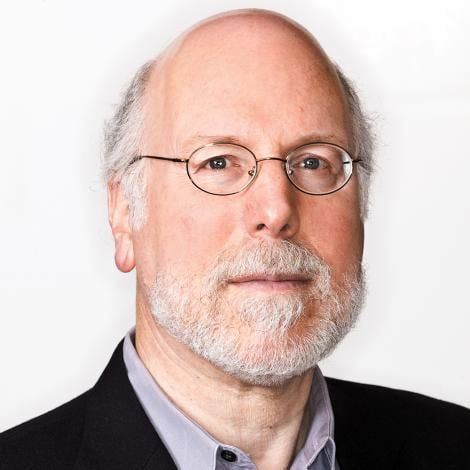
스티븐 코슬린 하버드대 심리학과 명예교수·미네르바대학 초대 학장
인공지능(AI)이 급속히 생활에 스며들며 우리는 변화의 소용돌이 속에 살고 있다. 세계관, 지식 체계, 가치관까지 달라지는 새로운 시대가 열리고 있다. 그런데 지식 전달을 위주로 하는 종래의 대학교육은 계속 유지돼도 괜찮은 것일까? 지난 시대 고등교육의 상징은 대형 강의실, 단상 위 교수, 열심히 필기하는 조용한 학생들이었다. 산업 문명 시대에는 이러한 교육이 유효했지만, 우리는 이미 그런 시대와 작별했다.
AI가 모든 지식을 집대성하고 정보가 도처에 널린 오늘날, 단순한 지식 전달과 이를 암기하는 일은 가치를 잃었다. 이제 강의실의 학생들 침묵은 더 이상 미덕이 아니다. 오히려 미래 세대의 잠재력 성장을 가로막는 위험 요소다. 인류 전체가 당면한 기후 위기나 지정학적 리스크, 개별 국가나 조직의 문제를 해결하는 리더를 길러내기 위해 이 침묵을 깨는 능동적 학습(Active Learning)으로 대전환해야 한다. 지식을 주어진 그릇에 단순히 담는 인재는 리더가 아니다. 리더는 스스로 그릇의 형태와 크기를 설계하는 건축가가 돼 자신의 지식 체계를 구축할 수 있어야 한다. 지식과 정보를 올바르게 해석하고, 비판적으로 평가하며, 창의적으로 활용하는 사고의 힘을 길러야 한다.
이러한 리더를 키우기 위한 능동적 학습은 단순한 수업 방법의 혁신을 넘어선 인지적 교육 혁명이다. 인간은 지식과 정보를 듣거나 읽을 때보다 직접 표현하고 사용할 때 이를 가장 깊이 체득한다. AI가 순식간에 답을 내놓는 시대에 인간의 가치는 정답을 외우는 것이 아니라, 올바른 질문을 던지고 모호함 속에서도 최선의 판단을 내리는 데 있다. 능동적 학습은 바로 이러한 21세기에 요구되는 역량이다.
최근 혁신 대학으로 꼽히는 미국의 미네르바대학이나 한국의 태재대학교가 추구하는 교육은 능동적 학습의 대표적인 예가 될 수 있다. 이들은 인지과학이 제시하는 미래형 교육 모델을 택하고 있다. 능동적 학습의 핵심은 학습 활동 그 자체를 인지과학에 기반해 구조화한 것이다. 사전 학습, 수업 중 응용, 내면화(Internalization)로 이어지는 3단계 교육으로 지식을 단순 정보가 아닌 ‘살아 있는 역량’으로 전환시키는 것이다. 사전 학습은 학생들이 책이나 자료를 먼저 읽거나 영상 시청 등으로 수업을 준비하는 과정이다. 수업은 소그룹 토론을 통한 문제 해결로 지식을 체득하게 하는 과정이다. 수업 후 내면화 단계에서는 비교적 잦은 진도 점검과 교수·학생의 상호 피드백으로 졸업 후 사회활동에서도 활용할 수 있는 지식과 지혜의 근육을 키우는 것이다.
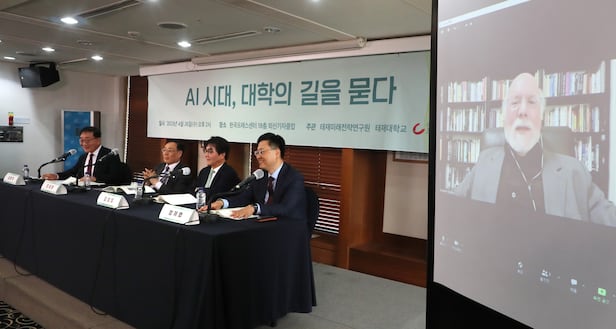
2023년 4월 26일 오후 서울 중구 프레스센터에서 열린 'AI시대, 대학의 길을 묻다' 포럼에서 참석자들이 토론을 하고 있다. 왼쪽부터 김용학 전 연세대 총장, 오세정 전 서울대 교수, 김성일 고려대 사범대학장, 정제영 이화여대 교육학과 교수, 스티븐 코슬린 미국 미네르바대학 초대 학장. / 오종찬 기자
에듀테크를 통한 초밀착 상호작용도 큰 역할을 한다. 첨단 온라인 플랫폼을 활용한 교수와 학생 간 실시간 소통으로 마지막 한 명의 학생까지 챙기는 고도의 몰입형 교육 체계다. 가장 중요한 것은 세계를 실험실로 삼는 글로벌 교육이다. 서울·뉴욕·베이징·도쿄 등 세계 주요 도시를 순회하며 인류가 쌓아 온 상이한 문명 가치와 질서를 체험하고, 이렇게 습득한 지식을 실제 현장에 적용하는 비판적 사고의 확장 과정이다.
능동적 학습에 기반한 대학의 혁신은 더없이 소중하다. 대한민국의 많은 대학이 고등교육을 향한 명확하고 새로운 메시지에 귀 기울이길 기대한다. 미래의 대학 강의실은 학생들이 말없이 받아쓰기만 하는 장소가 아니라, 치열한 논쟁과 실험이 살아 숨 쉬는 역동적인 젊은이들의 무대가 돼야 한다. 국가와 사회의 밝은 미래는 교육의 변화에서 시작된다.
<영문기사>
Break University Lecture Halls' Silence: AI Era Demand
By Steven Kosslyn Emeritus Professor of Psychology, Harvard University·Founding Dean, Minerva University
Published 2026.01.04. 23:36
As artificial intelligence (AI) rapidly permeates daily life, we find ourselves in a whirlwind of change. A new era is dawning, altering worldviews, knowledge systems, and values. However, is it still acceptable to maintain traditional university education focused solely on knowledge transmission? In the past, the symbols of higher education were large lecture halls, professors on podiums, and quiet students diligently taking notes. While this model was effective during the industrial civilization era, we have already bid farewell to that time.
In today’s world, where AI consolidates all knowledge and information is ubiquitous, the value of simple knowledge transmission and rote memorization has diminished. The silence of students in classrooms is no longer a virtue; it is now a risk factor that hinders the growth of future generations’ potential. To cultivate leaders capable of addressing global challenges like the climate crisis, geopolitical risks, and issues faced by individual nations or organizations, a radical shift to active learning is essential. A leader is not someone who merely fills a given vessel with knowledge. Instead, they must become architects who design the shape and size of their own vessel, building their knowledge systems. They must develop the cognitive power to interpret knowledge and information correctly, critically evaluate it, and creatively apply it.
Active learning, aimed at nurturing such leaders, is a cognitive educational revolution that transcends mere innovation in teaching methods. Humans internalize knowledge most deeply not when they listen or read, but when they express and use it themselves. In an era where AI instantly provides answers, the value of humans lies not in memorizing correct answers but in asking the right questions and making optimal judgments amid ambiguity. Active learning is precisely the competency required in the 21st century.
Minerva University in the U.S. and Taejae University in South Korea, often cited as innovative institutions, exemplify active learning. They adopt future-oriented educational models proposed by cognitive science. The core of active learning lies in structuring learning activities based on cognitive science. It follows a three-stage process: pre-learning, in-class application, and internalization, transforming knowledge into a “living competency” rather than mere information. Pre-learning involves students preparing for class by reading materials or watching videos. Classes focus on problem-solving through small-group discussions to internalize knowledge. The internalization phase, through frequent progress checks and mutual feedback between professors and students, builds the intellectual “muscle” to apply knowledge and wisdom in post-graduation societal activities.
On April 26, 2023, in the afternoon, participants discuss at the 'AI Era: Seeking the Path for Universities' forum held at the Press Center in Jung-gu, Seoul. From left: Former Yonsei University President Kim Yong-hak, former Seoul National University Professor Oh Se-jung, Dean of the College of Education at Korea University Kim Sung-il, Professor of Education at Ewha Womans University Jung Jae-young, and Founding Dean of Minerva University in the U.S. Steven Kosslyn. /O Jong-chan
Hyper-interactive engagement through EdTech also plays a significant role. Advanced online platforms enable real-time communication between professors and students, creating an immersive education system that attends to every student. Most importantly, global education treats the world as a laboratory. By rotating through major cities like Seoul, New York, Beijing, and Tokyo, students experience diverse civilizational values and orders accumulated by humanity, expanding their critical thinking through practical application.
The innovation of universities based on active learning is invaluable. Many South Korean universities are expected to heed the clear and new message of higher education. The lecture halls of the future should not be places where students silently take notes but dynamic stages for young people where heated debates and experiments thrive. The bright future of nations and societies begins with educational transformation.
출처: 조선일보(2026. 01. 04)
